

The EHDS timeline, article by article: what applies in 2027 and 2029, and why clinical trial data only enter secondary use in 2031.
Electronic information notices, accepted channels by content, multi-factor authentication, deadlines: what the CNIL's May 2026 update requires of your eConsent.
Risks, committees, statistics and MDR harmonization: what the fourth edition of ISO 14155 changes in your clinical investigation plan.
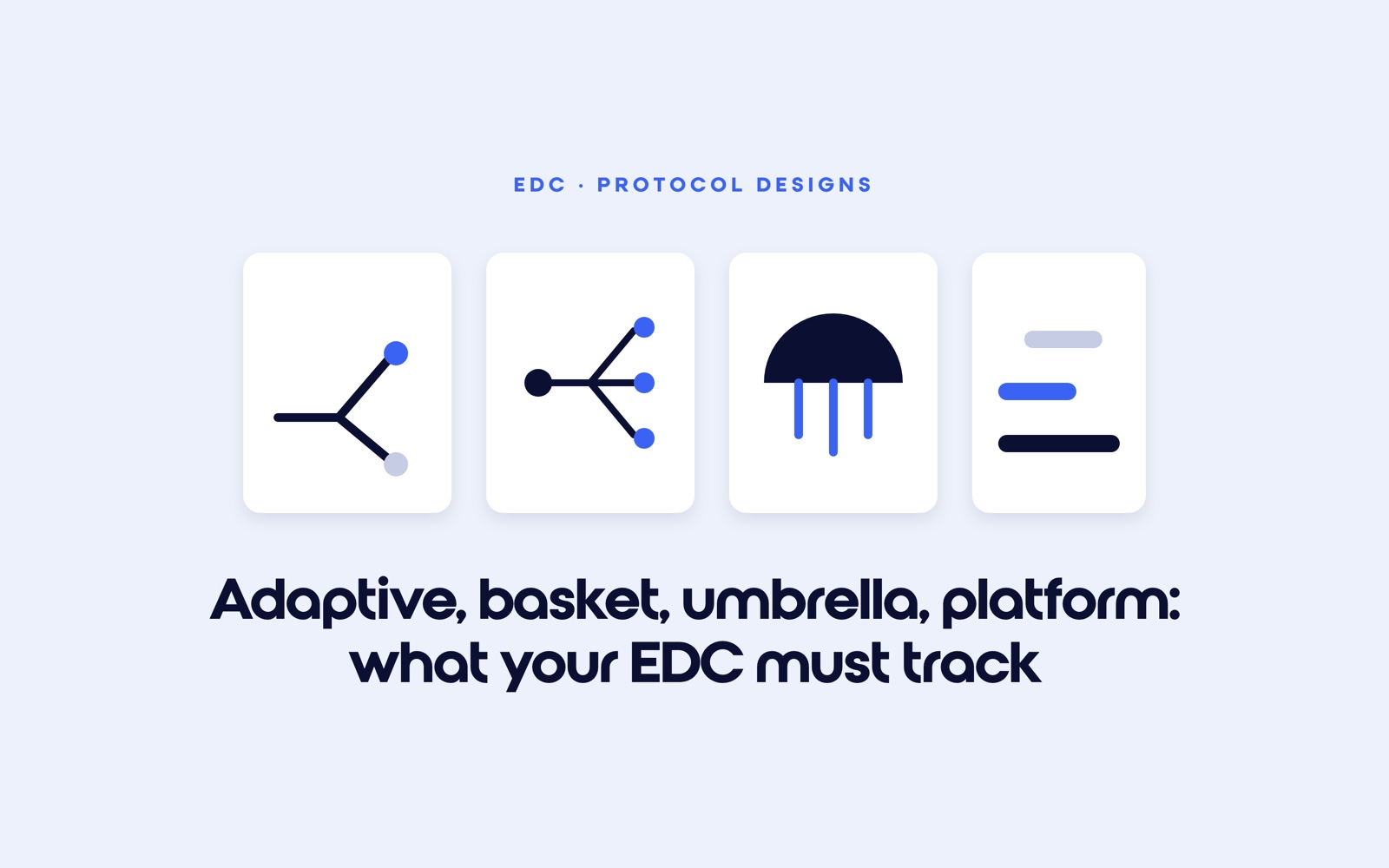
An adaptive trial changes during the study. For each of four complex designs, what your EDC must handle before you sign the contract.
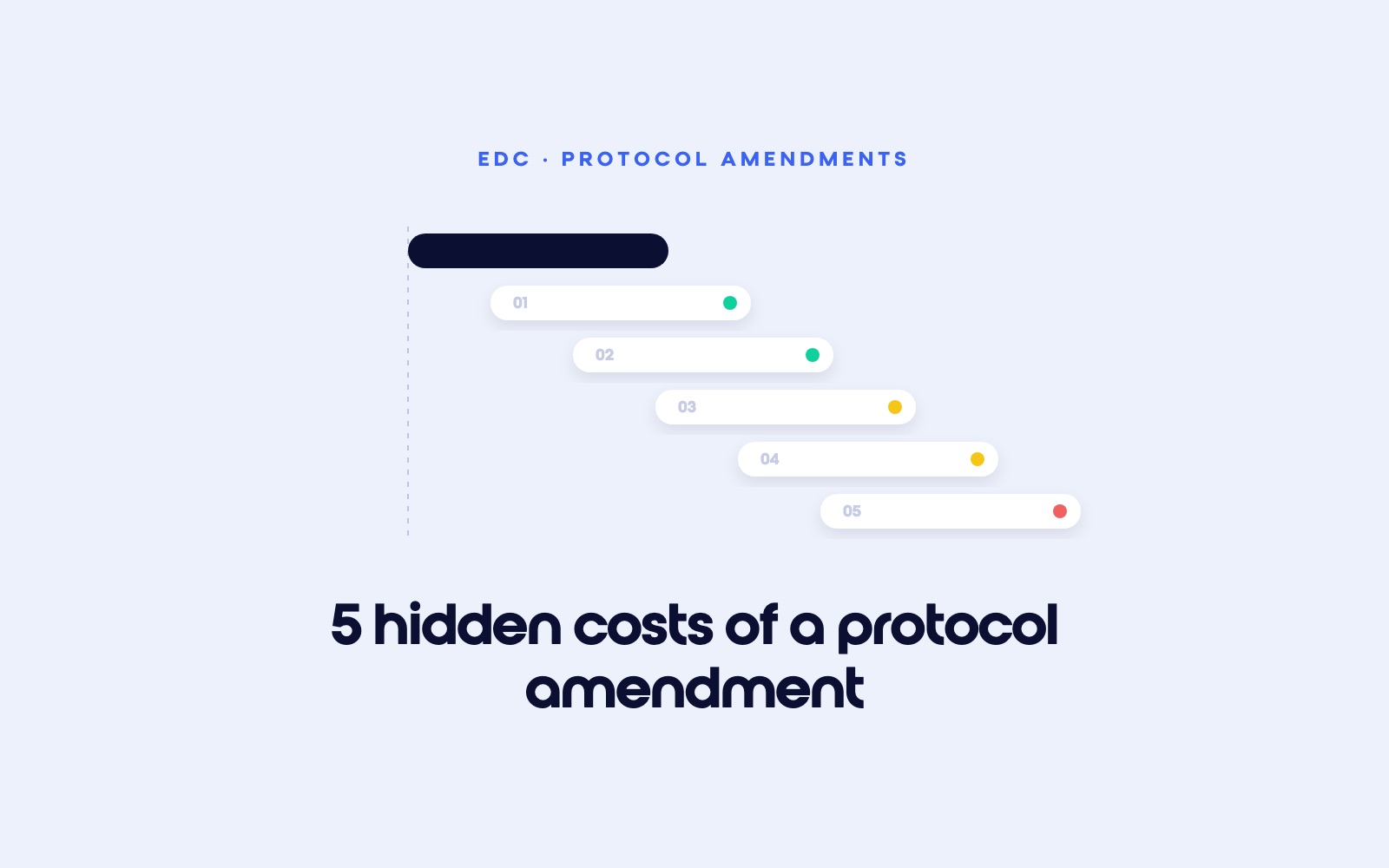
Site retraining, edit check revalidation, legacy queries, RTSM updates and re-consent: the five costs an amendment adds after the eCRF change.
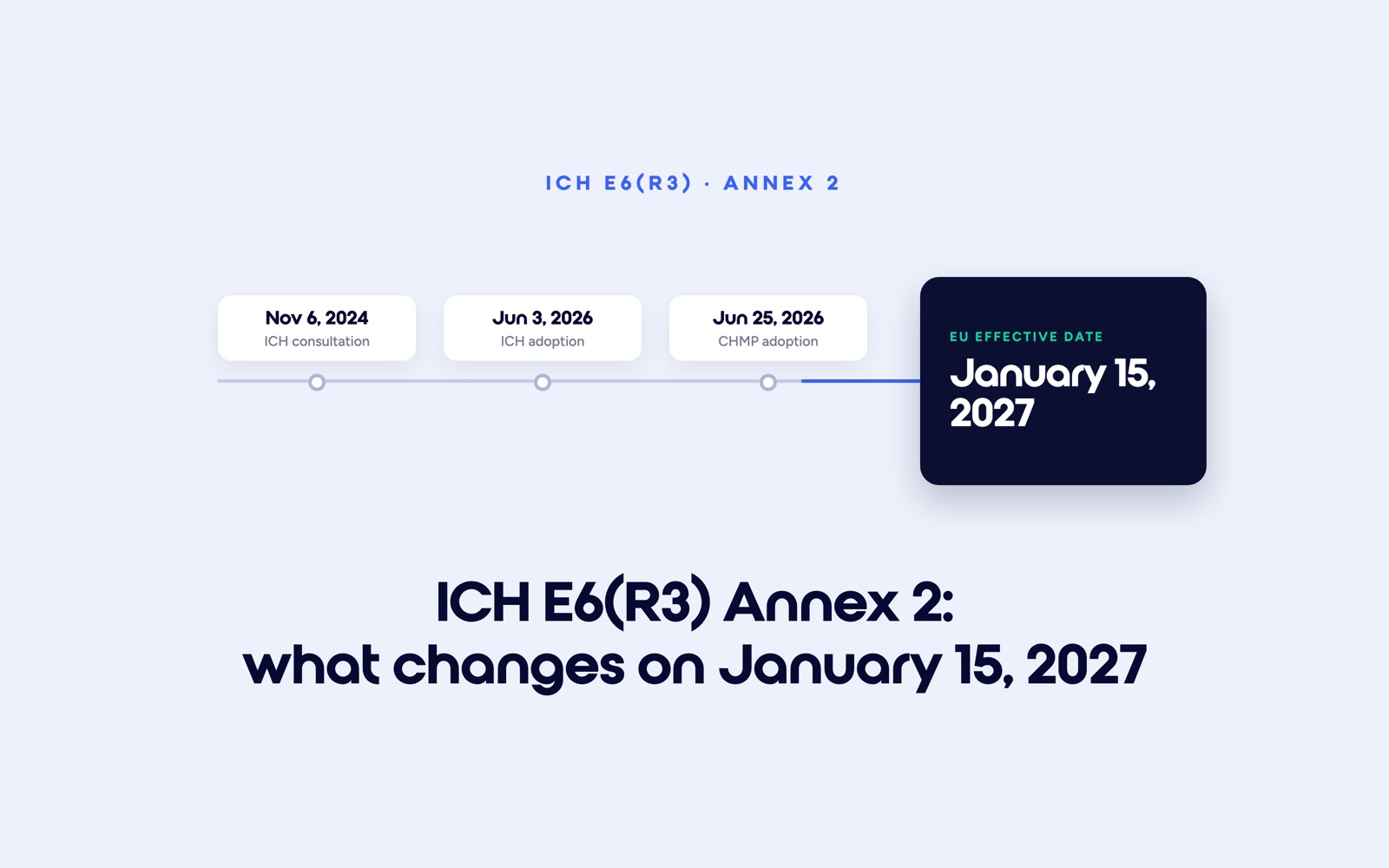
Protocol, remote consent and real-world data: what ICH E6(R3) Annex 2 asks of you before it takes effect in the EU on 15 January 2027.
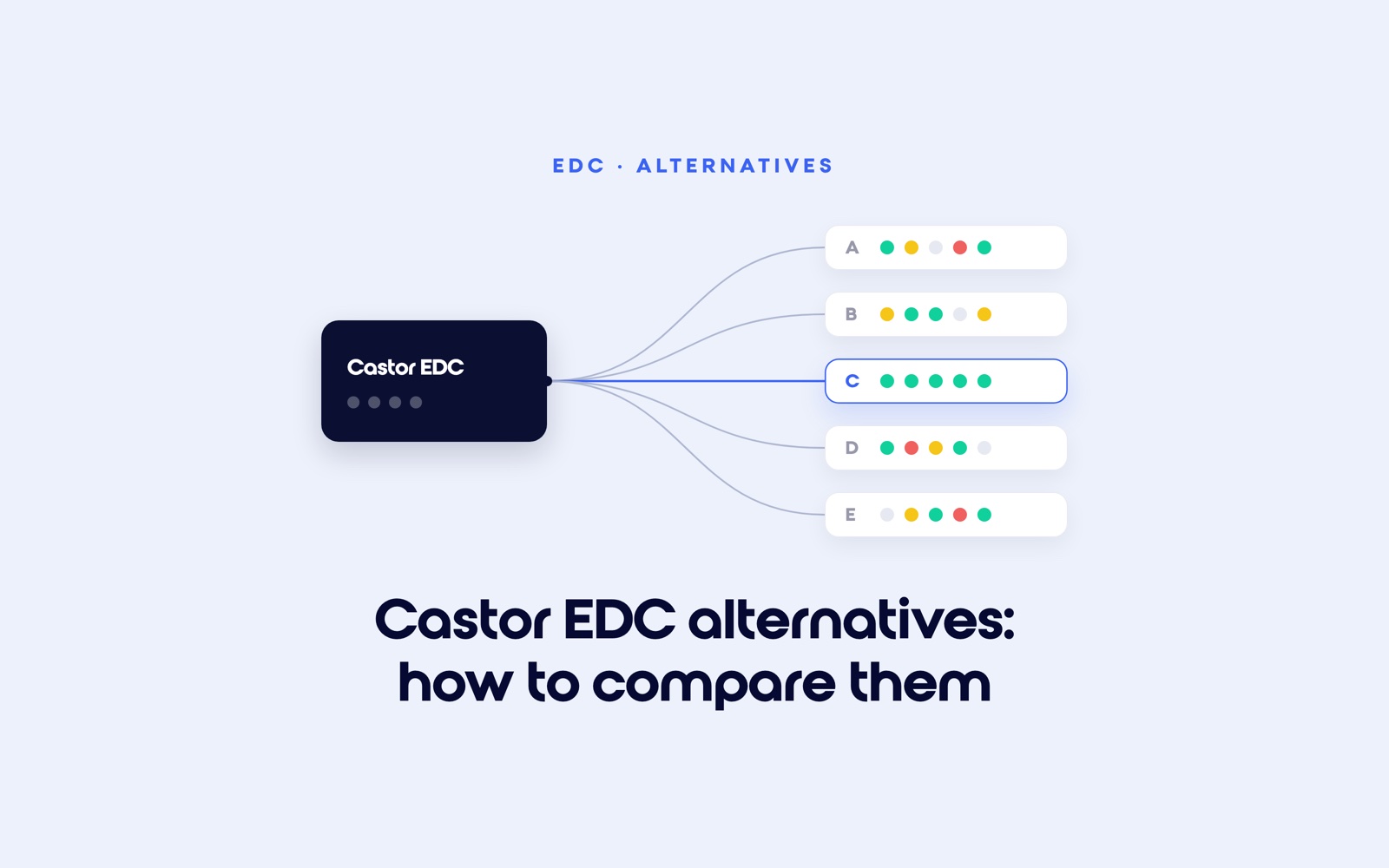
Five alternatives to Castor EDC compared on study build, modules and fit, with Datacapt and Castor side by side on record, speed and price.
Build and test draft studies, then follow live study progress through natural-language requests.
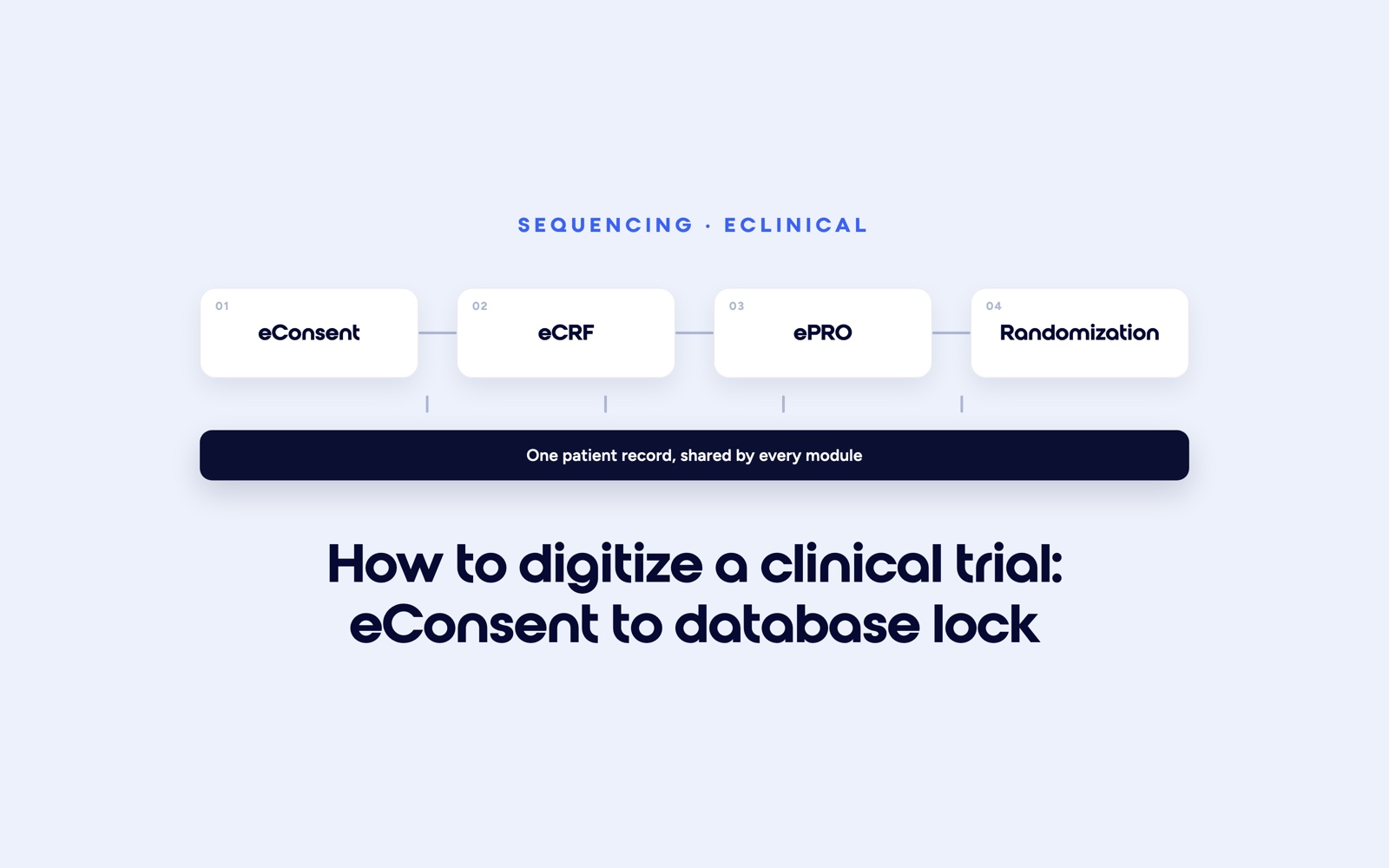
Sequencing eConsent, EDC and ePRO on one patient record, and what a module-by-module rollout costs you.
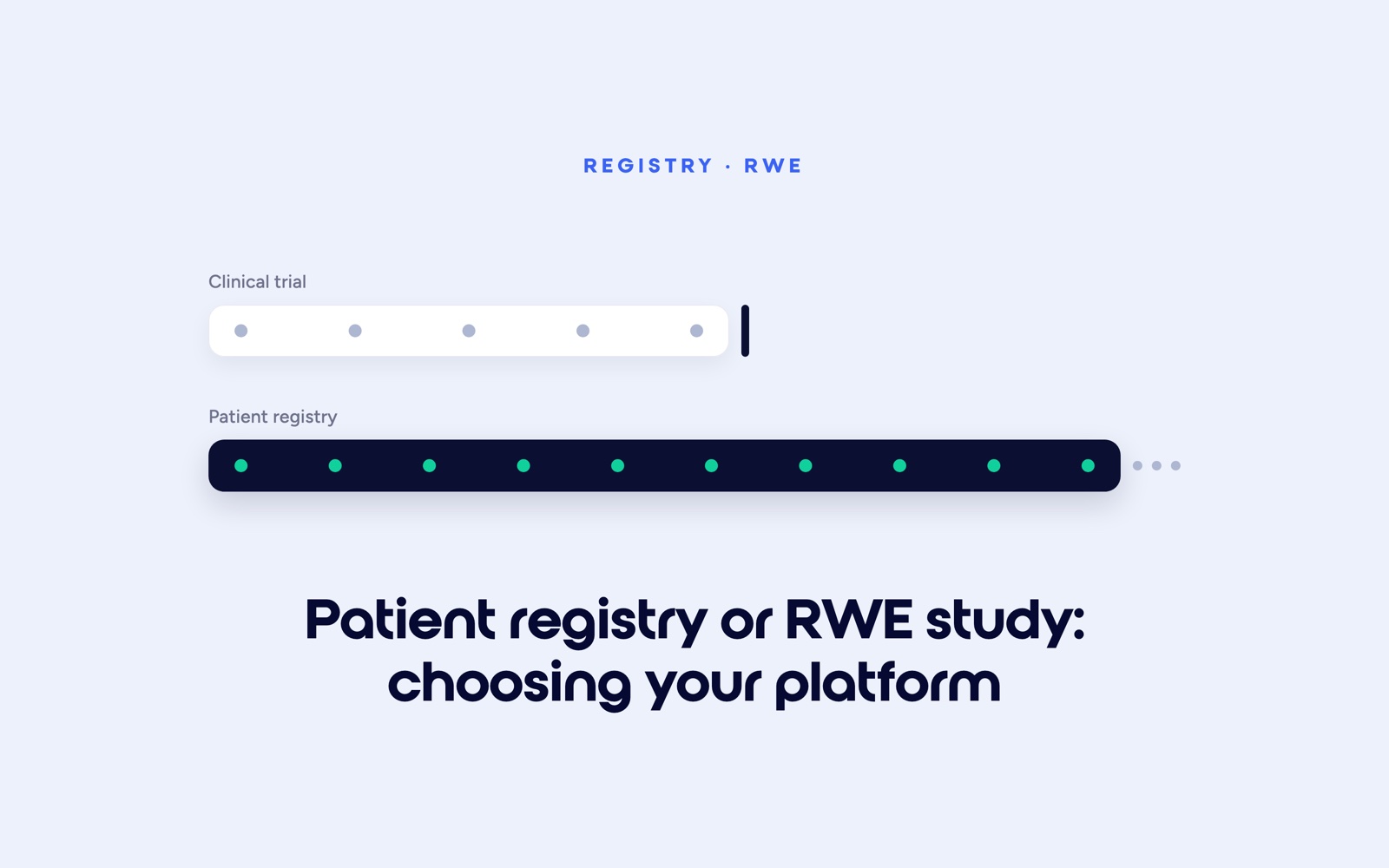
What separates a clinical trial EDC from a registry platform: multi-year follow-up, multi-source collection, PMCF and PSUR reporting.
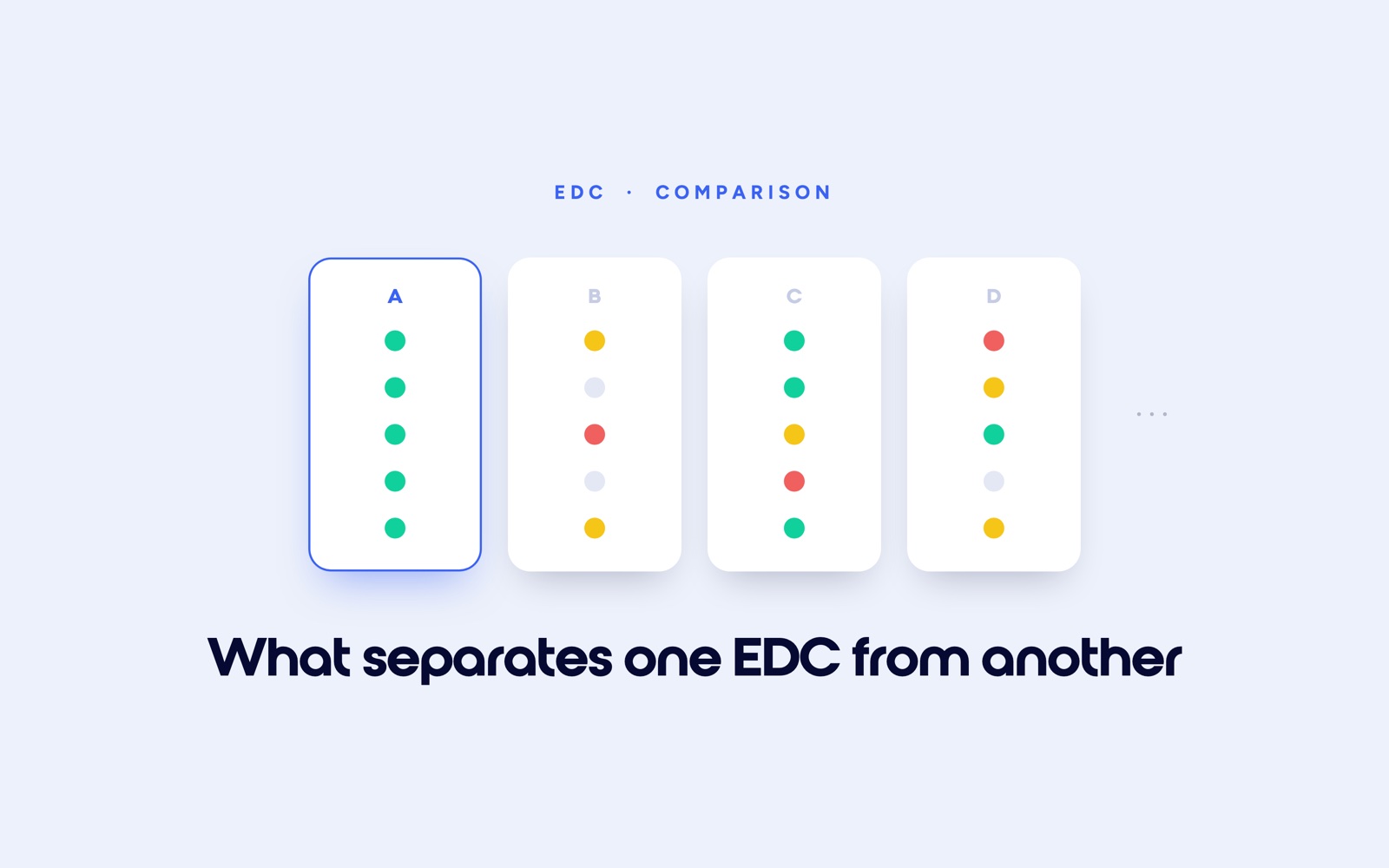
Thirteen EDC platforms grouped by the studies they fit, each with what it does well and where it stops.
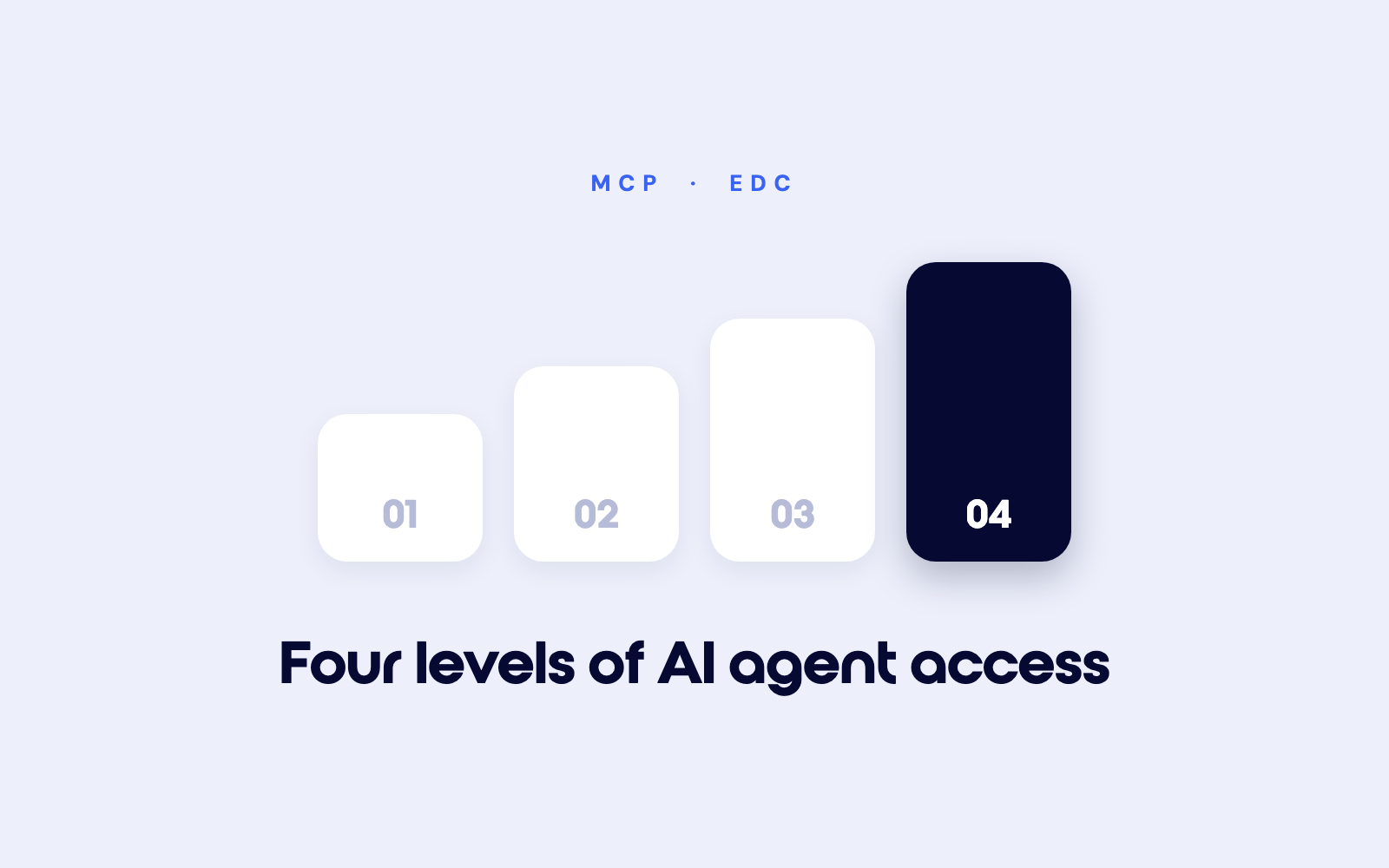
Three EDC vendors all say they support MCP. One searches the manual, one reads your numbers, one builds your eCRF. Four levels for telling them apart.