

Eight ePRO and eCOA vendors grouped by where your outcome data lands, each with what it does well and where it stops.
LLMs, AI agents and MCP explained in plain terms, then a live demo in the Datacapt EDC. Replay of the November 10, 2026 webinar.
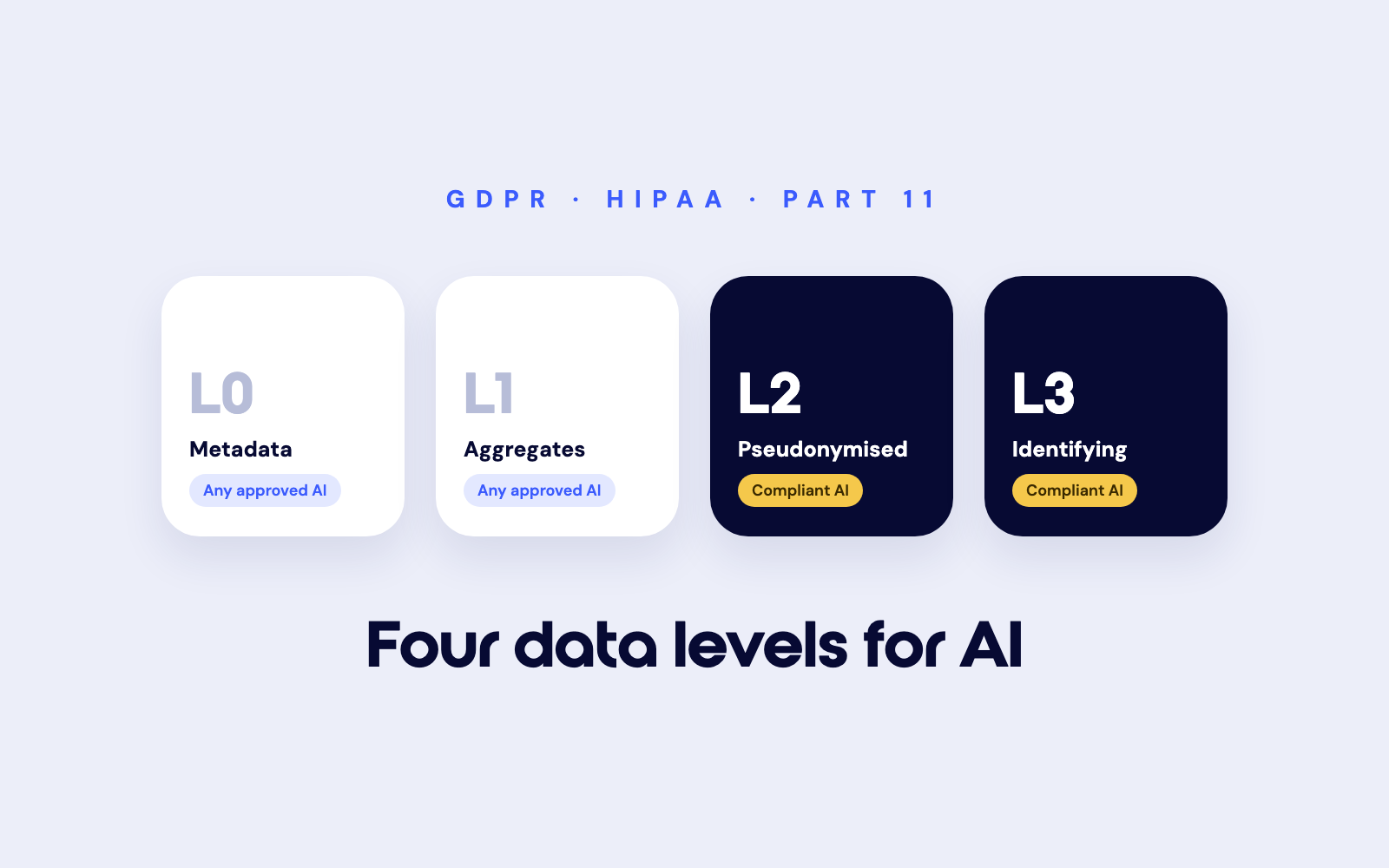
A CRA sees their sites. A data manager never sees a patient's name. Apply the same rule to AI and GDPR, HIPAA and Part 11 stop blocking it.

Where the source sits when trial data is captured electronically, what the FDA, the EMA and ICH E6(R3) expect, and when an EHR-to-EDC connection is worth building.
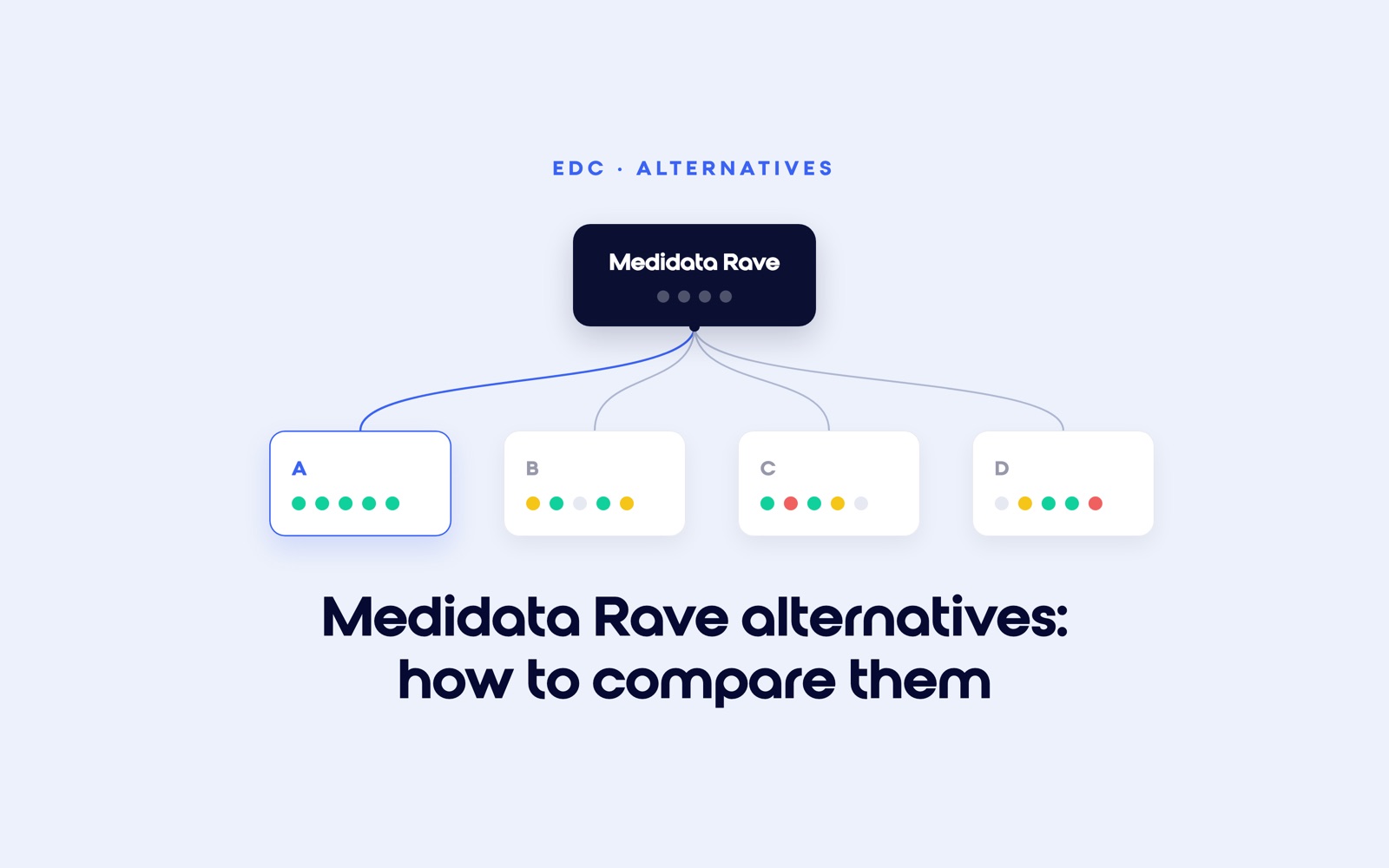
Four alternatives to Medidata Rave compared on study build, modules and price, with Datacapt and Rave side by side and a migration plan built on the EMA guideline.
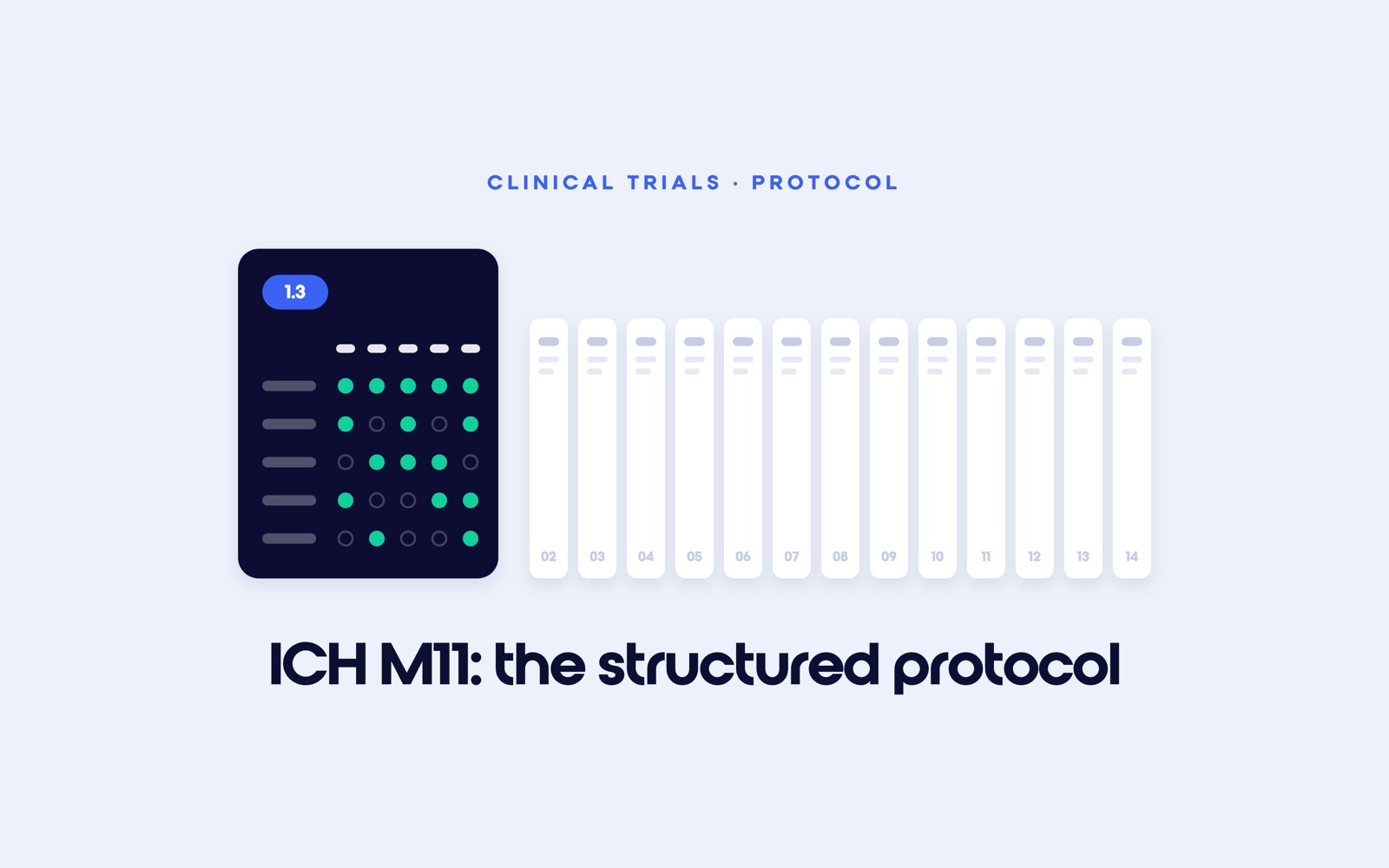
ICH adopted M11 in November 2025 to fix the protocol format: what it covers, what it does not require, and where it changes the study build.

How an EDC system collects, checks and locks clinical trial data, what regulators expect from it, and the criteria that matter when you choose one.

What AI assistants and MCP are, how they help from protocol to closeout, and five principles for using them in regulated studies.

Regulation 2026/1744 pushes the AI Act's high-risk rules back to 2027 and 2028: what already applies to the AI in your trials, and what to prepare.

Forecasts, site stock levels, blinded kits and amendments: how investigational product moves from depot to participant, and what you must record at each step.
How academic and hospital research teams choose an EDC: grant budgets, no dedicated data manager, exports for the statistician, and the sponsor's own validation duty.

The EHDS timeline, article by article: what applies in 2027 and 2029, and why clinical trial data only enter secondary use in 2031.